The Risks Of Excess Protein for Horses




Why Too Much Protein Can Be a Problem for Horses
Protein is one of the most essential nutrients in the equine diet, building and repairing tissues, supporting immune function, and contributing to overall health. However, the risks of excess protein in a horse’s diet are often underestimated. Many horse owners fall into the misconception that “more is better,” assuming that feeding higher-protein rations will automatically improve condition or performance. In reality, feeding protein beyond a horse’s actual needs can create imbalances in the diet and lead to unnecessary health challenges — especially when protein levels dramatically exceed what the horse requires. Most mature, active adult horses, for example, do not need feeds with more than around 14% protein, and exceeding this level without a specific nutritional reason can do more harm than good.
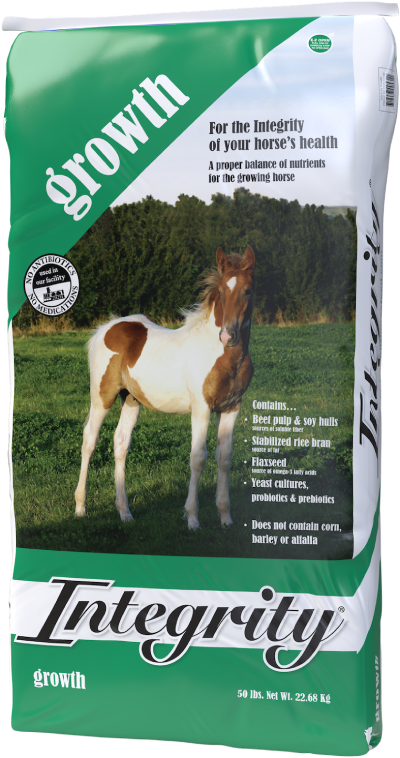
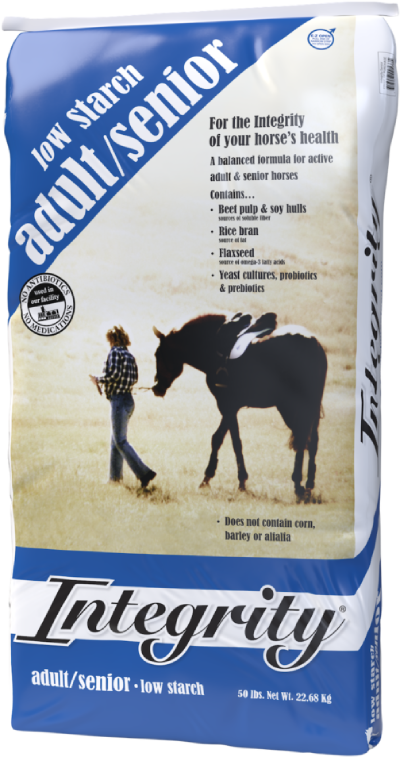
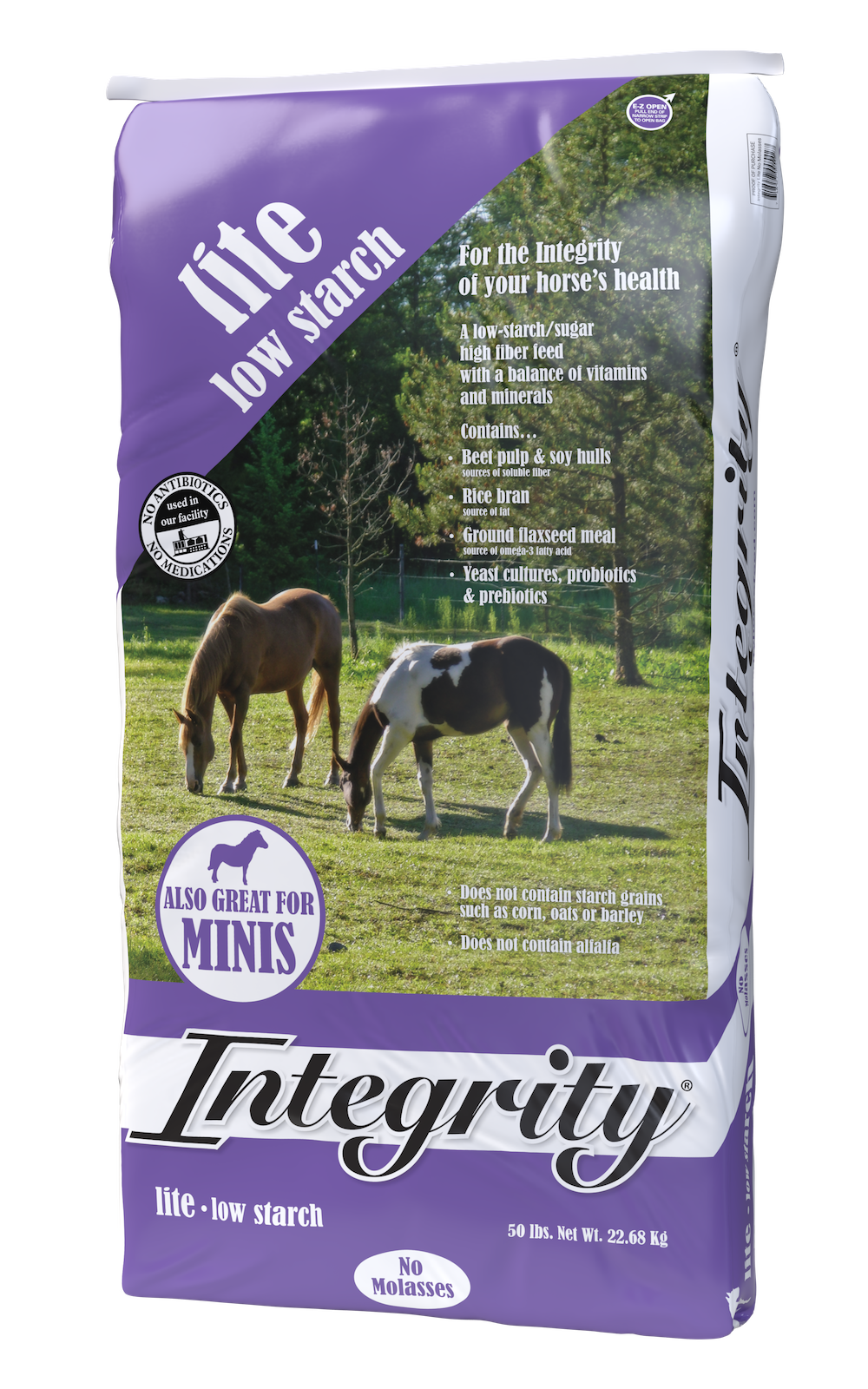
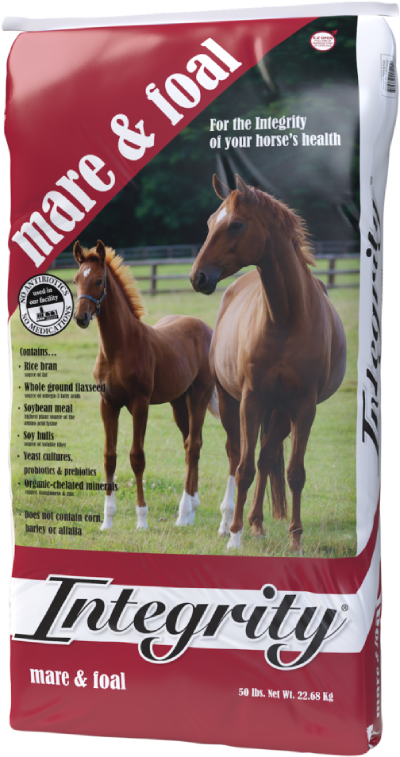
Balanced diets require a relationship of nutrients to nutrients and nutrients to energy. A formula that is concentrated with excess nutrients, such as protein, is not balanced. A “one feed fits all” approach is also not balanced. When horses consume more protein than their bodies can use, the surplus cannot be stored like fats or carbohydrates and must be metabolized and eliminated. The physiological consequences of excess proteint underscore why a balanced diet tailored to a horse’s specific life stage and workload is far more beneficial than simply maximizing crude protein levels in the feed
Excess Dietary Protein Can:
- Trigger weight gain
- Increase blood sugar
- Have an adverse effect on performance
- Overwork the kidneys and liver
- Reduce efficiency of protein digested with bolus feeding of protein
- Adversely affect microbial population in the gut
- Translate to more calories fed
- Have a detrimental effect on growth and possible increase occurrence of growth disorders
- Lead to subclinical dehydration
- Interfere with other nutrient utilization and absorption, such as calcium
- Metabolically shift energy utilization to cellular breakdown of excess protein
- Increase wasted energy given off as heat
- Adversely affect the protein to calorie ratio
The daily protein requirements of adult horses range from 0.5 to 1.4 grams per pound of body weight. A pleasure horse has different nutrient requirements than a working horse, a growing horse different than young adult horse, a pregnant mare different than lactating mare, and so on.
Understanding the risks of excess protein helps horse owners make better feeding choices for their horses. While protein is important, feeding more than a horse needs doesn’t improve performance or condition and can actually create extra strain on the body. Since horses can’t store extra protein, their system has to work harder to get rid of it, which leads to more waste, stronger ammonia smells in stalls, and possible stress on the kidneys and liver. Focusing on a balanced diet that matches a horse’s age, activity level, and needs is the best way to support overall health and well-being.